Riley Zimmermann · 22 September 2026
Openwald's Youth-Led Tech Initiatives Bridge Gaps in Regional Resource Sharing
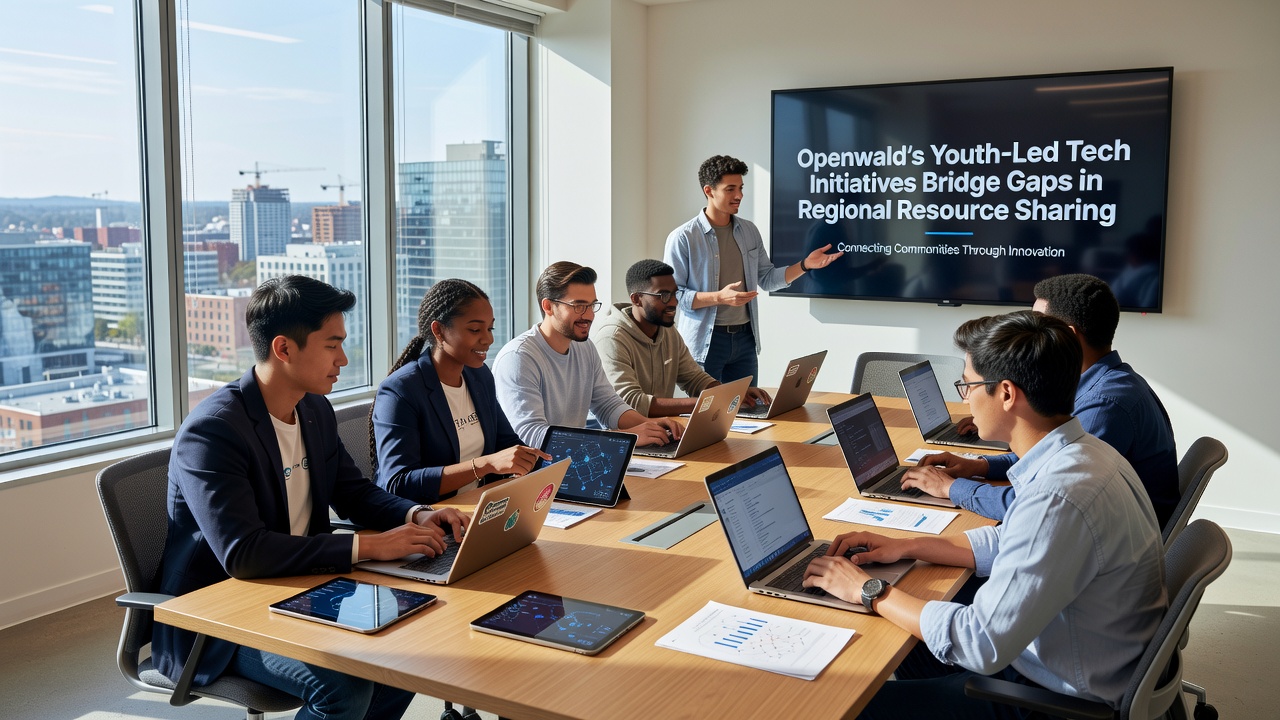
Openwald residents have watched youth groups deploy technology platforms that connect isolated communities with shared access to equipment, data networks, and supply chains. These efforts began gaining momentum several years ago when local schools integrated coding workshops into standard curricula, and the programs expanded rapidly once participants started building custom applications for inventory tracking and logistics coordination. Data from regional monitoring systems shows that participation rates climbed steadily through 2025, with over 2,400 young people registered in active projects by the start of the following year.Origins of the Programs
Community organizations in Openwald first noticed gaps in how rural districts exchanged agricultural tools and technical expertise, so student teams responded by creating open-source mapping software that identified surplus items available for temporary transfer. One project used satellite imagery combined with ground sensors to flag available irrigation equipment across three districts, and this approach reduced duplicate purchases while improving uptime for shared machinery. Observers note that the initiative drew on existing municipal databases rather than building entirely new infrastructure, which kept development costs low and allowed rapid testing cycles.
By September 2026 several of these applications reached production status after iterative feedback sessions held at regional libraries and maker spaces. University researchers from the Technical University of Munich documented usage patterns in a public report that tracked how often different age groups logged resource requests and confirmed that the majority of transactions involved participants under age 25. The report also highlighted integration with similar efforts in neighboring regions, where data exchange protocols followed standards developed by the European Commission's digital innovation units.
Key Technologies and Methods
Participants built mobile interfaces that allowed real-time updates on availability of items ranging from 3D printers to specialized farming sensors, and they paired these tools with blockchain-based ledgers to log transfers without requiring central oversight. Training sessions occurred monthly at community centers, where experienced coders taught newcomers how to maintain the code repositories and add new features such as predictive demand algorithms. Those algorithms drew from historical usage data collected across Openwald and adjacent areas, which helped forecast peak needs during planting and harvest seasons.
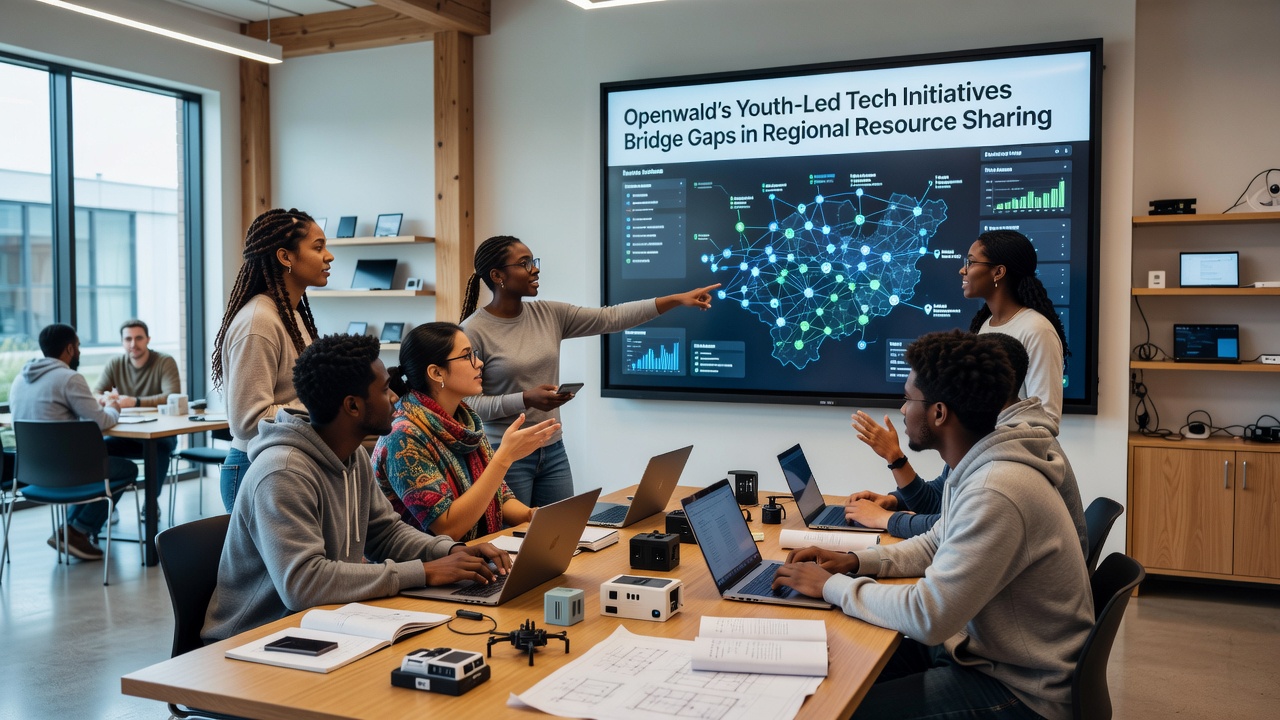
Additional modules focused on energy distribution, where solar panel output readings from multiple households fed into a shared grid-balancing system. Figures released by the Canadian Institute for Sustainable Infrastructure indicated that similar youth-driven projects in British Columbia achieved measurable reductions in peak-load strain, and Openwald teams adapted several of those open protocols for local conditions. Workshops emphasized version control practices and collaborative debugging, which kept the codebase accessible to new contributors without formal computer science backgrounds.
Measured Outcomes and Regional Reach
Usage analytics collected through September 2026 showed more than 18,000 documented resource exchanges within Openwald alone, while cross-border connections with districts in the Czech Republic added several thousand additional transfers. A study conducted by the University of Sydney's Centre for Regional Innovation examined comparable youth platforms in New South Wales and found parallel improvements in equipment utilization rates, which reinforced the value of standardized data formats. Openwald groups adopted those formats early, allowing seamless interoperability without extensive custom coding.
Local businesses contributed surplus stock through dedicated portals, and schools incorporated project participation into credit-bearing activities that counted toward graduation requirements. This structure encouraged sustained involvement because students could document their contributions as part of broader portfolios submitted to technical colleges. Government records from the Openwald municipal council list the initiatives as part of ongoing digital inclusion strategies, with annual budget allocations supporting server maintenance and device lending libraries.
Conclusion
The combination of accessible coding education, shared data standards, and iterative platform development has produced measurable improvements in how Openwald communities locate and exchange resources. Continued expansion depends on maintaining open code repositories and regular training opportunities that draw in successive cohorts of young developers. Reports from multiple academic sources confirm that these patterns align with broader trends observed in other regions pursuing similar technology-enabled sharing models.