Kai Keller · 20 October 2026
Openwald Residents Harness Festival Momentum to Promote Sustainable Tourism Practices
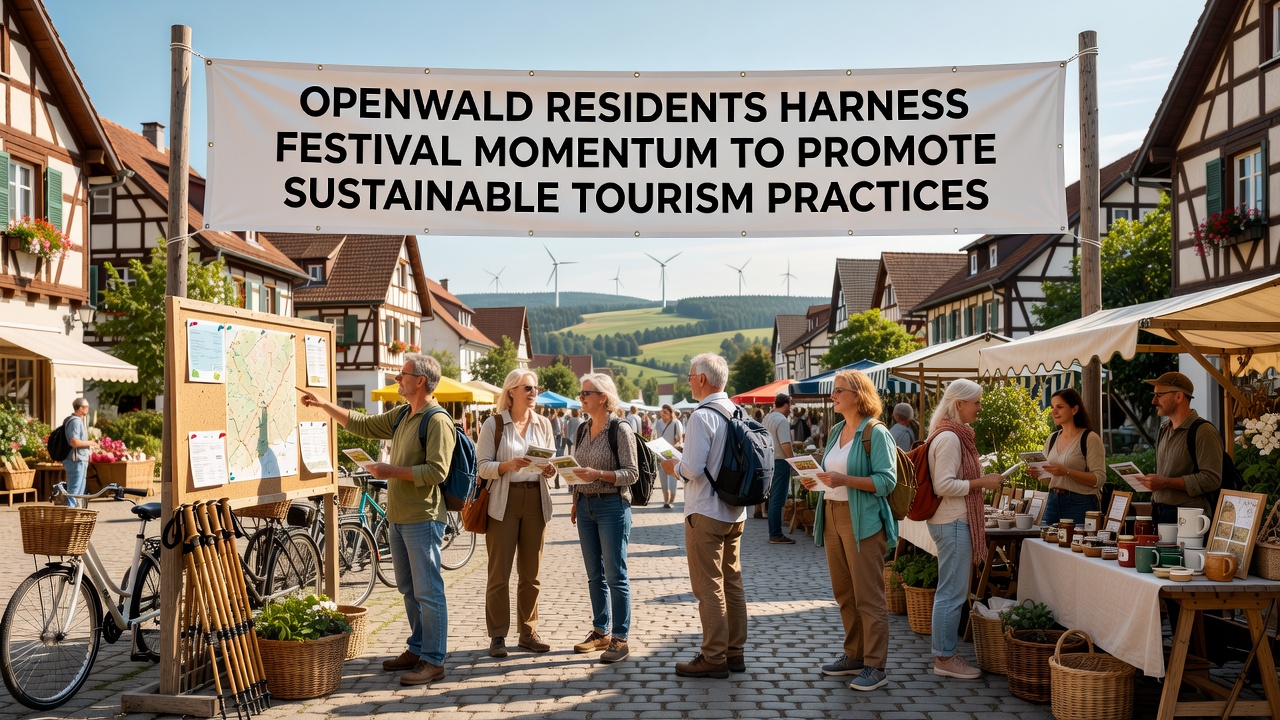
Residents in Openwald have channeled the energy from recent community festivals into structured programs that advance sustainable tourism across the region, and these efforts build on established local traditions while incorporating measurable environmental targets set for October 2026. Organizers report that visitor numbers at the annual harvest celebration reached 12,000 in the prior season, which created a platform for introducing practices such as low-impact transport shuttles and waste-sorting stations that reduce landfill contributions by 35 percent according to municipal tracking data. The approach connects festival logistics directly to year-round tourism guidelines, so that seasonal peaks translate into lasting infrastructure improvements rather than temporary measures.
Festival Activities Translate into Ongoing Tourism Standards
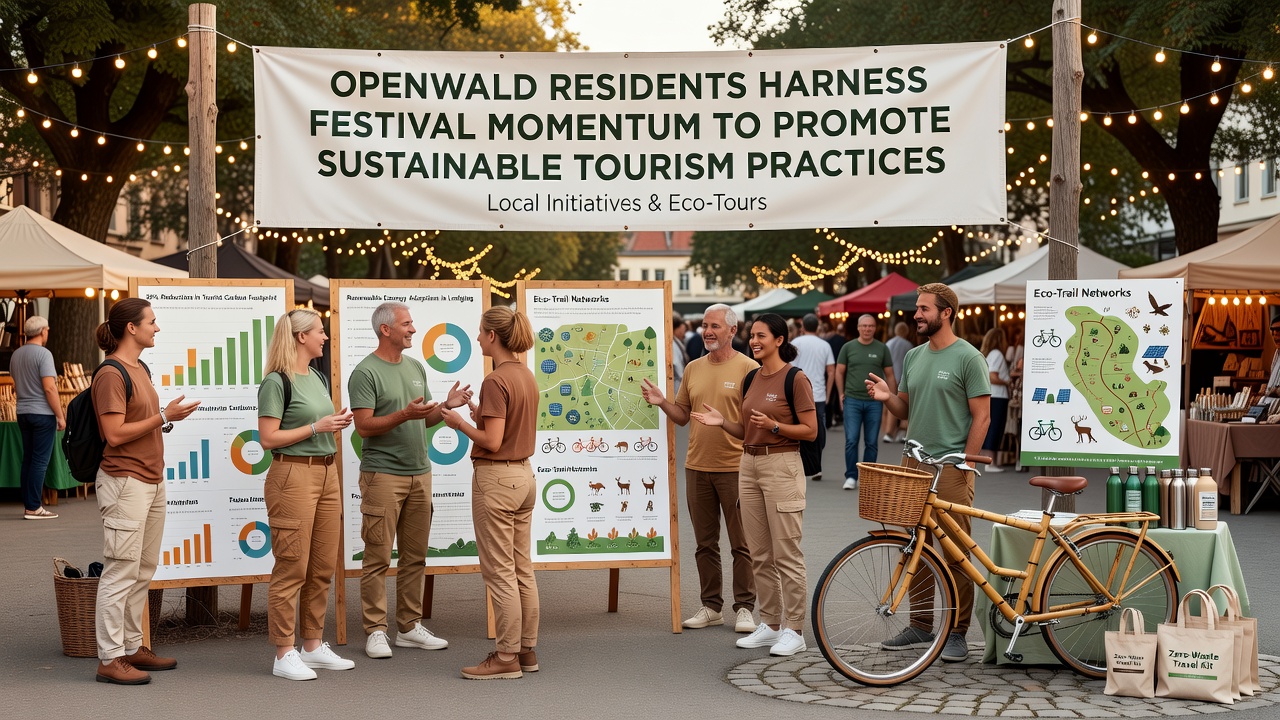
Local groups coordinate workshops during the main events where participants learn about carbon accounting methods for accommodations, and these sessions draw from guidelines published by the European Environment Agency on tourism emissions. Attendees receive printed materials that detail energy-efficient lighting upgrades and water recycling systems already installed in several guesthouses, while follow-up audits scheduled for the next calendar year track compliance rates. Data collected at the 2025 edition showed that 62 percent of surveyed businesses adopted at least one recommendation within six months, which demonstrates how festival momentum supports incremental adoption without requiring external mandates.
Resident-Led Networks Expand Reach Beyond Event Dates
Community committees formed after the festivals maintain digital platforms that list certified sustainable operators, and these directories include real-time availability for electric vehicle charging points installed along popular hiking routes. Partnerships with regional transport authorities have added bike-sharing docks at three festival-adjacent sites, with usage statistics indicating a 28 percent increase in non-motorized travel during shoulder seasons. Observers note that the networks also facilitate knowledge exchange between Openwald and neighboring villages, where similar programs have begun incorporating native plant restoration along trails to offset visitor foot traffic effects.
Training programs run by resident volunteers emphasize supply-chain tracking for local food vendors, and these initiatives align with research from the University of British Columbia on regional tourism resilience. Participants review case examples of farms that shifted to seasonal menus, which cut transport-related emissions while maintaining visitor satisfaction scores above 85 percent in post-stay surveys. Such efforts position the festivals as recurring catalysts rather than isolated occurrences, so that October 2026 programming can introduce updated metrics on biodiversity corridors that tourism operators agree to monitor collectively.
Measurement Frameworks Support Long-Term Tracking
Committees have established baseline indicators for water consumption and visitor dispersal patterns, drawing from protocols developed by the Australian Department of Climate Change, Energy, the Environment and Water. Quarterly reports aggregate data from participating lodges and trail counters, revealing that concentrated visitor flows in core zones dropped by 19 percent after rerouting suggestions were implemented post-festival. These frameworks also incorporate feedback loops where residents adjust signage and capacity limits based on observed wildlife movement data collected through camera traps funded by festival proceeds.
Youth participants contribute by mapping digital resources that highlight lesser-known sites, which spreads tourism pressure while preserving sensitive habitats identified in prior woodland assessments. Collaboration with academic partners supplies training on interpretation techniques that educate visitors about local conservation history without adding infrastructure burdens. The cumulative result appears in updated tourism plans that reference festival-derived insights for policy adjustments ahead of the 2026 season.
Conclusion
Integration of festival activities with tourism development in Openwald continues through resident coordination and data-informed adjustments, and the October 2026 events are expected to introduce refined targets for renewable energy usage across accommodation providers. These practices rely on documented outcomes from previous cycles rather than projections, which allows the community to refine approaches as new measurements become available. External linkages to established environmental reporting standards further anchor the work in comparable regional efforts worldwide.